Wax, Clay, or Pomade? The Complete Guide for the Modern Man to Choosing the Perfect Styling Product
Products & Hair Styling9 min read
Wax, Clay, or Pomade? The Quick Guide for the Busy Man
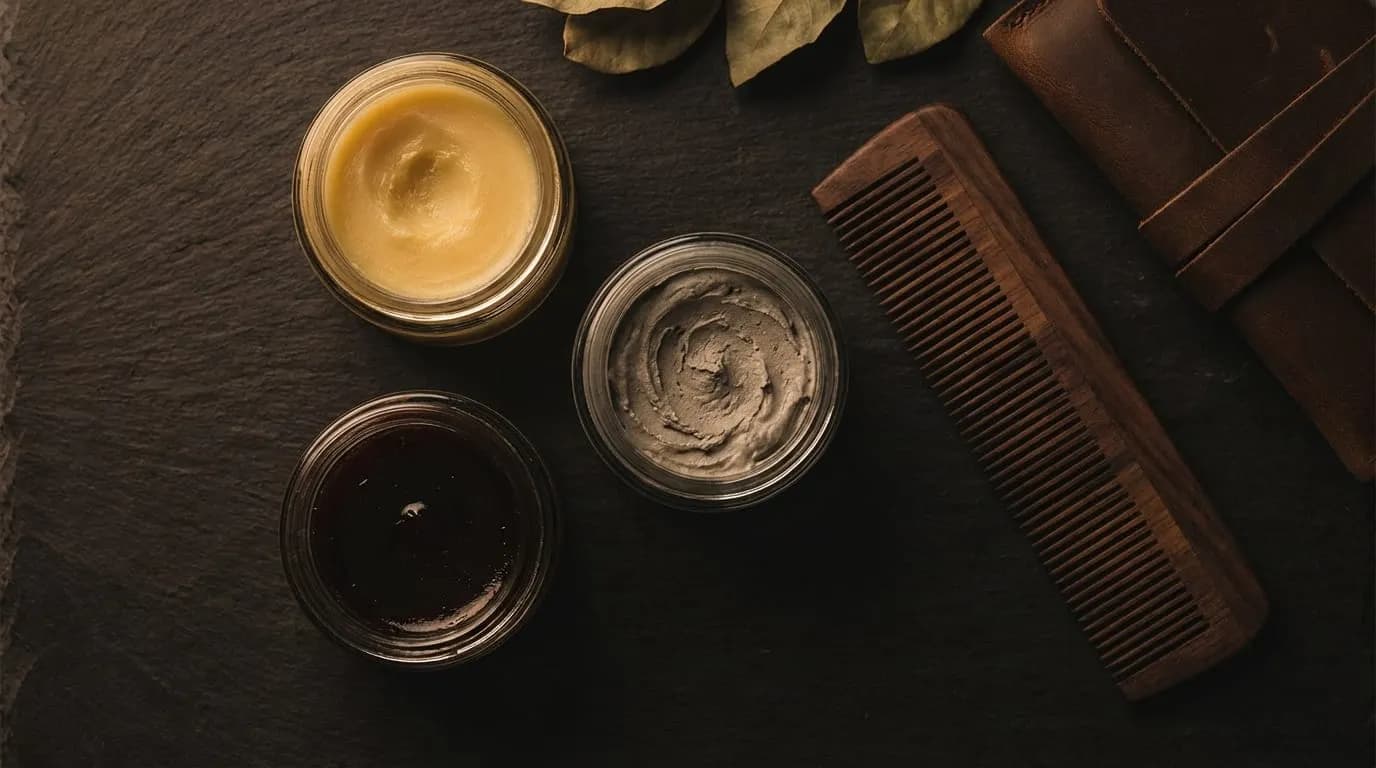
You're standing in front of the grooming-products shelf, staring at an endless array of tins and jars, and all you want is to pick the right one and get out. The differences between wax, clay, and pomade look minor, but they're critical to the end result. This guide was made exactly for you — the modern, busy man from Ramat Gan who values efficiency and results. Let's clear things up in a three-minute read and figure out, once and for all, which styling product is the perfect match for your hair and your style.
Understanding the Basics: What Sets Wax, Clay, and Pomade Apart?
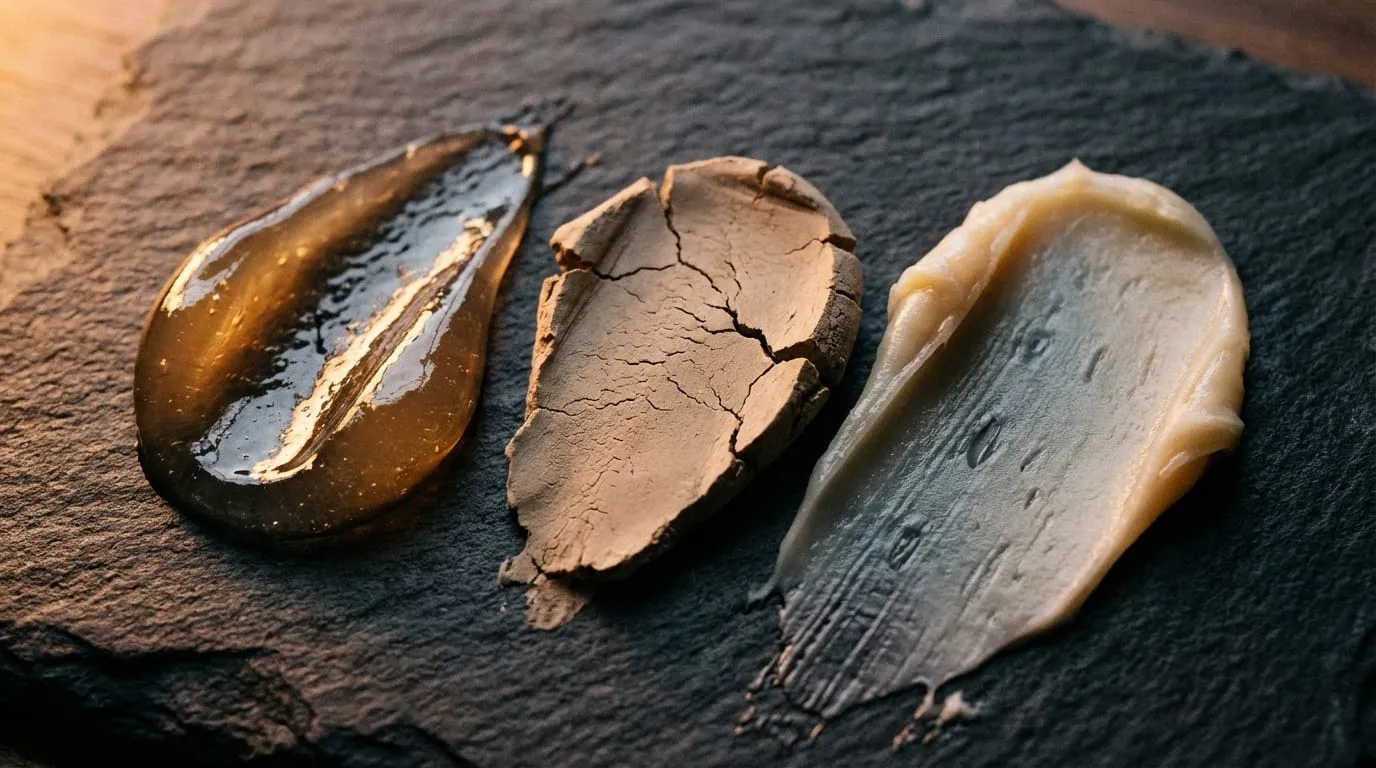
To make an informed decision, it's important to understand the three key characteristics of every product: hold level (Hold), which determines how firmly the product keeps your hairstyle in place; shine level (Shine), ranging from a completely matte look all the way to a high, wet shine; and texture (Texture), which affects the separation and volume of your hair. Each of these products offers a unique combination of these three characteristics.
Wax: Flexibility and Restyling
Wax is probably the most versatile and widely used styling product. It's usually characterized by medium to strong hold and a finish with low to medium shine, giving a relatively natural look. The biggest advantage of wax is its flexibility. Because it doesn't harden completely, it lets you restyle your hair throughout the day using just your hands. It's an ideal solution for a "messy-but-tidy" look, for hairstyles with natural movement, or for anyone who likes to change their look from a morning meeting in the financial district to a night out.
Clay: Volume, Texture, and a Matte Look
Clay is the preferred choice for men looking for a completely natural, shine-free (matte) look. Many types of clay, such as bentonite or kaolin, contain minerals that absorb oils and dirt from the hair and scalp. This property not only delivers a clean, fresh feel but also adds significant volume and texture. Clay makes hair look and feel fuller, which makes it an excellent choice for men with thin or fine hair. It's perfect for creating short, texture-forward hairstyles like the Textured Crop, which call for volume at the roots and separation at the ends.
Pomade: High Shine and Classic Style
Pomade is the classic product for creating tight, combed, elegant hairstyles like the slick-back (hair pulled backward) or the pompadour. There are two main types of pomade, and the difference between them is fundamental. Water-based pomade offers variable hold (from medium to very strong), hardens slightly on the hair to keep the style in place, and delivers high shine. Its big advantage is that it washes out easily with water alone. By contrast, oil-based pomade, which represents the history of pomade, offers an especially strong hold that doesn't harden, allows restyling, and has high resistance to humidity. Its drawback is the difficulty of removing it from the hair, which usually requires several washes with a dedicated shampoo.
| Product Type | Hold Level | Shine Level | Best For… |
|---|---|---|---|
| Wax | Medium – Strong | Low – Medium | Flexible looks, medium-length hair, restyling throughout the day. |
| Clay | Medium – Strong | Matte (no shine) | Creating volume and texture, thin hair, a natural, effortless look. |
| Pomade | Strong – Very Strong | Medium – Very High | Classic hairstyles, a tight, combed look, high shine. |
The Perfect Match: Which Product for Your Hair Type and Style?
Now that we've covered the technical differences, let's dive into the most practical part: matching the right product to your hair type and the hairstyle you want to achieve. Getting this right is the key to a professional, effortless look. If you're not sure, you can always consult your barber or browse international style guides for inspiration.
- For short, messy hair (Textured Crop): Clay is the perfect choice. This cut, hugely popular today, is built on volume up top and emphasized texture. A clay with a dry texture will provide the hold needed to lift the roots and the separation needed to highlight the ends — all in a matte finish that looks like you didn't try at all.
- For thin or fine hair: A lightweight clay is your best friend. Many products, especially heavy waxes or pomades, can weigh down thin hair and make it look flat and greasy. Clay, thanks to its ability to absorb oil and add "body" to each strand, creates the illusion of fuller, thicker hair without sacrificing natural movement.
- For a classic slicked-back style (Slicked Back): Nothing beats pomade. If you're going for an elegant, glossy look, a water-based pomade will provide the hold and shine you need and will wash out easily at the end of the day. If you need maximum staying power to survive a long, humid day, an oil-based pomade will give you uncompromising hold.
- For wavy or medium-length hair: A flexible wax is the ideal choice. Wavy hair tends to be dry and prone to frizz. A wax with medium hold will help define the waves, control frizz, and deliver a tidy look while still preserving the natural movement and character of your hair.
- For a polished "just rolled out of bed" look: A wax with medium hold and low shine is your tool. The goal is to look relaxed, not unkempt. A small amount of wax will let you sculpt your hair in a deliberately messy way, highlight certain strands, and get a look that stays put but doesn't look stiff.
Application Technique: How to Use It Right for a Professional Result
Even the best product in the world won't give a good result if it isn't used correctly. Application mistakes are the most common cause of greasy, heavy, or simply wrong-looking hair. Following a few simple rules will ensure you get the most out of your styling product.
- Start with a small amount: This is the most common mistake. It's very easy to add more product, but nearly impossible to remove excess without washing your hair. Start with a pea-sized amount, especially with concentrated products like clay or pomade.
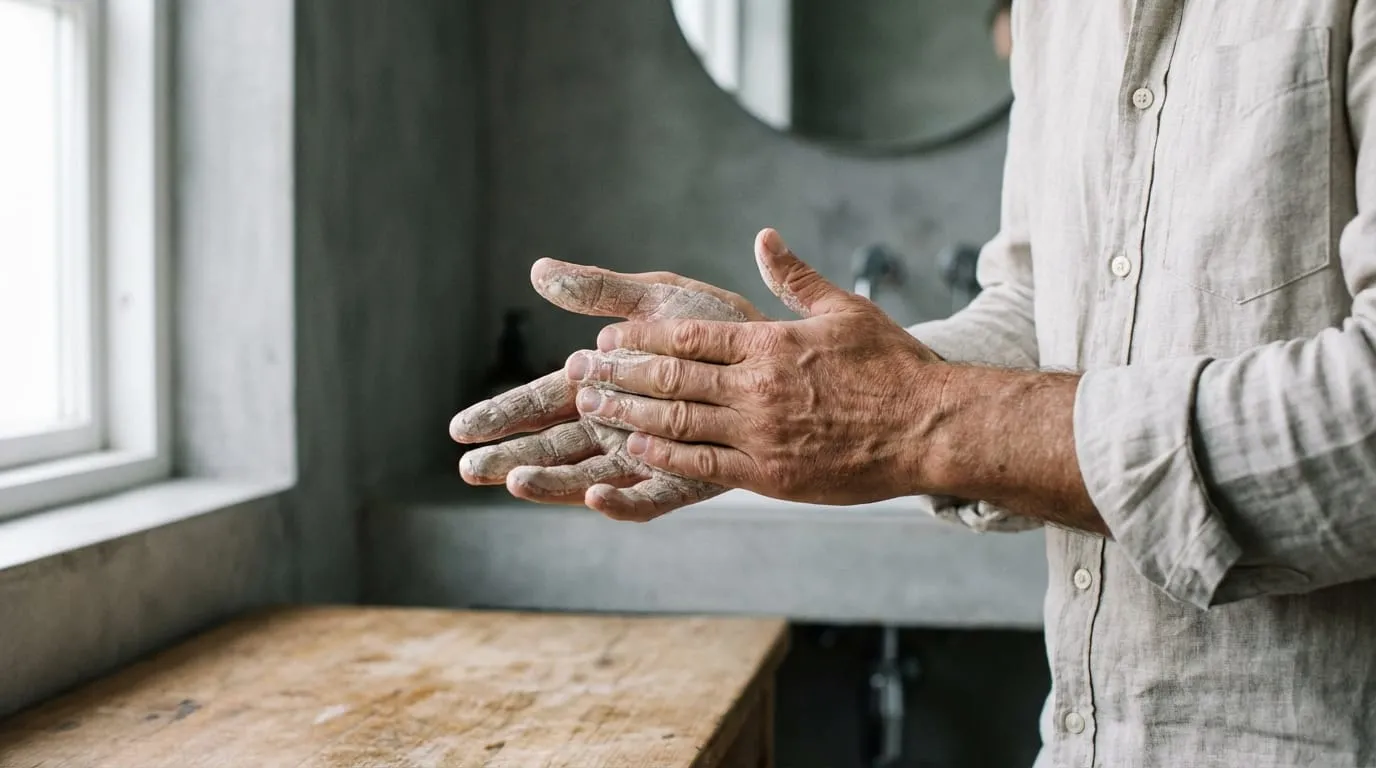
- Warm up the product: Take the desired amount and spread it on one palm. Rub both palms together well in circular motions. The heat that's generated will melt the product, make it more pliable and translucent, and allow for even, easy distribution through the hair. Skipping this step will leave clumps of product in your hair.
- Apply to dry or damp hair: The rule is simple — the drier the hair, the stronger the hold and the more matte the finish. Applying to completely dry hair (after blow-drying) will give maximum volume and texture. Applying to damp hair (lightly towel-dried) will dilute the product slightly, make combing easier, and deliver a finish with more shine and a "wet" look.
- Work from the roots to the ends: To create a stable base for a hairstyle that holds all day, it's important to apply the product first to the back of the head and at the roots, and only then work forward and distribute the rest onto the ends. Applying most of the product only to the top will weigh the hair down and cause it to "fall" quickly.
Pro tip: For maximum, long-lasting volume, the secret is to use a blow-dryer. After washing, dry your hair with the blow-dryer while directing the hair with a brush or your fingers in the desired direction. The hot air will "lock" the hair in place. Only once the hair is completely dry, use a small amount of clay to set the volume, add texture, and maintain the style all day long.
Questions & Answers (That You Had No One to Ask)
Even after this detailed guide, you may still have a few small questions left. We've gathered the most common ones here to tie up all the loose ends.
Can you combine different products?
Absolutely, but it takes a little experience. A common combination is using a tiny amount of clay on dry roots to create a base of volume, and then using a bit of wax on the ends to add definition and flexibility. That said, beginners are advised to focus on a single product, learn it inside out, and get the most from it before they start experimenting with combinations.
What is the fundamental difference between water-based and oil-based pomade?
The main difference is in how it works and how it washes out. Water-based pomade: The first ingredient is water, so it washes out easily. It tends to harden slightly on the hair, which sets the style. Ideal for convenient everyday use. Oil-based pomade: Based on waxes and oils (such as petroleum jelly), so it doesn't wash out easily with water. It doesn't harden and stays flexible, which allows combing and restyling throughout the day. Recommended for special occasions or for anyone looking for extreme staying power.
How many times a week is it recommended to use these products?
You can use styling products on a daily basis, provided you maintain proper hygiene. The most important thing is to wash your hair thoroughly with a quality shampoo at the end of each day. Leaving products on the hair and scalp over time can cause buildup, clog the hair follicles, and lead to an oily or irritated scalp. Thorough cleansing ensures your hair stays healthy and strong.
Conclusion: The Right Choice Is in Your Hands
Choosing between wax, clay, and pomade isn't as complicated as it seems. In the end, it all comes down to understanding two things: your hair type and the final look you want to achieve. Use the comparison table and the tips in this guide as a starting point, and don't be afraid to experiment. Sometimes, the perfect product is found after a try or two. Now, armed with the knowledge, you can walk up to the shelf with confidence, choose the right product, and know that your hair will look sharp, professional, and precise — just like you.
Want this on your own head?
Our team at 7 Rashi St, Ramat Gan is waiting for you — booking online takes less than a minute.