
The Taper Haircut in Ramat Gan — The Complete Guide
The taper is the cut for the man who has nothing to prove: flawless clean-up at the sides and nape, full length everywhere else — the classic that simply always works.
How much it costs: A men's haircut at our Ramat Gan shop starts at ₪90 (includes consultation and a personal fit). Fade, skin fade and taper are all included in the men's haircut price; adding a beard or a scissor cut is priced separately. See the full price list

What is a Taper?
The taper is a targeted graduation: instead of wrapping the entire head, it lives in just two places — the sideburns and the nape — and there it shortens the hair with a gentle, gradual blend. Everything else keeps its length and volume, so the cut looks natural and flowing, as if your hair just happened to grow that way on its own. It's the exact opposite of the skin fade's drama: the taper doesn't draw attention to itself — it makes everything else look squared away. The word itself comes from the world of shapes: to taper means to narrow gradually, like a candle that tapers toward its wick — and that's exactly what happens to the hair at the edges.
Historically, the taper is the father of every graduation — the technique that classic men's barbershops were built on long before the word "fade" entered the lexicon. It was, and remains, the foundation of gentleman's cuts: a combed side part, a lifted pompadour, a slicked-back look — they all sit on a taper that cleans up the edges and keeps the body. That's why it's tied to a polished, professional look, and why it's the automatic choice for anyone who needs to look presentable every day of the week. It's also why veteran barbers swear by it: with a taper there are no graphic lines to hide behind — either the blend is clean, or it isn't.
Precisely because the working area is small, the technique demands a delicate hand: clipper-over-comb work around the arch of the ear, a graduated drop at the nape that respects the natural growth direction, and a finish that connects seamlessly into the longer hair above. You spot a good taper by what you don't see — no line, no step, just a blend that melts away. And the biggest advantage of all: because most of the length is preserved, the barber keeps full freedom to style the top in any way you choose, from classic to trend-driven. The work itself sometimes brings in a straight razor to clean the nape lines — a finish you feel mostly when you run a hand over it. And a tip for the observant: next time you see a cut that just looks "squared away" without you being able to say why, check the sideburns and the nape. You'll probably find a taper there.
Who does the Taper suit?
The taper is the right call if you want to look sharp without looking "styled." It's perfect for conservative work environments, for men who like length and styling flexibility, and for anyone who prefers a cut that grows out nicely and doesn't demand a barbershop visit every two weeks. Curly hair benefits especially — the texture stays up top and the edges stay clean — and anyone growing a full beard will love the natural connection the graduated sideburns create between hair and beard. As for face shapes: long, narrow faces benefit from the volume left at the sides, and fuller faces can pair a taper with top volume that elongates the profile. In short — if the words "classic," "clean" and "no fuss" speak to you, you've found your style. There's also the grow-out factor: if you travel a lot, you're slammed at work, or you simply hate being tied to an appointment — the taper keeps looking respectable even when life pushes the next cut back. And for the big moments — a job interview, a formal event, a photoshoot — when you have to look flawless without gambling, the taper is the safe bet.
Taper variations worth knowing
Low Taper
The graduation starts right at the lowest hairline — the base of the sideburns and nape only — and barely touches anything else. This is the quietest, most traditional version: the most natural grow-out look there is, suited to any age and any dress code, and it stays presentable for weeks after the cut. Ideal for anyone who gets cut infrequently — it simply never looks unkempt.
High Taper
The graduation dares to climb a little higher on both sides of the head, bringing a contemporary touch to the classic cut. It's still a long way from the exposure of a full fade — but close enough to make the look feel younger and sharper. A great solution for anyone torn between the two worlds who wants a taste of the new without giving up the old.
Taper Fade
The hybrid whose name confuses everyone, and also the term you'll hear most in barbershops in recent years: the taper points — the sideburns and nape — are graduated deeper, sometimes right down to the skin, but without wrapping the whole head. The result combines the naturalness of the taper with the sharpness of the fade, which is exactly why it's become so sought-after among the TikTok generation.
Taper vs. Fade — What's the Difference?
The most common question in the chair, and the answer is simple: a fade wraps the entire perimeter of the head, climbs high and exposes skin noticeably; a taper graduates only the sideburns and nape and leaves the sides full. Want bold contrast and an urban look? The full guide to the fade is waiting for you. Prefer a natural, presentable look that grows out nicely? Taper. And for anyone who wants exactly the middle ground — that's what the taper fade is for.
Curly Taper
A variation that deserves a stage of its own: the curls stay full on top and at the sides, and the taper polishes only the outlines — the sideburns, around the ears and the nape. This keeps the natural texture at its peak, while the whole silhouette looks groomed and intentional. For Mediterranean curly hair, which tends to grow out rather than down, this is often the single best choice there is.
Skin fade vs. fade vs. taper vs. zero
| Style | How short at the sides | Contrast | Upkeep frequency | Best for |
|---|---|---|---|---|
| Skin fade | Down to bare skin (zero) at the bottom | Maximum — sharp and dramatic | Every 1–2 weeks | Anyone who loves a clean, sharp look and is up for frequent touch-ups |
| Regular fade | Graded to a low guard (1–2), not to skin | Medium–high | Every 2–3 weeks | Most men — a balance of sharpness and flexibility |
| Taper | Gentle shortening at the temples and nape only | Subtle and understated | Every 3–4 weeks | Conservative settings, or anyone wanting a tidy look that lasts |
| Buzz / zero | One even short length all over | None — uniform length | Every 1–2 weeks (hairline) | Minimal upkeep and an understated look |
The Taper from our chair
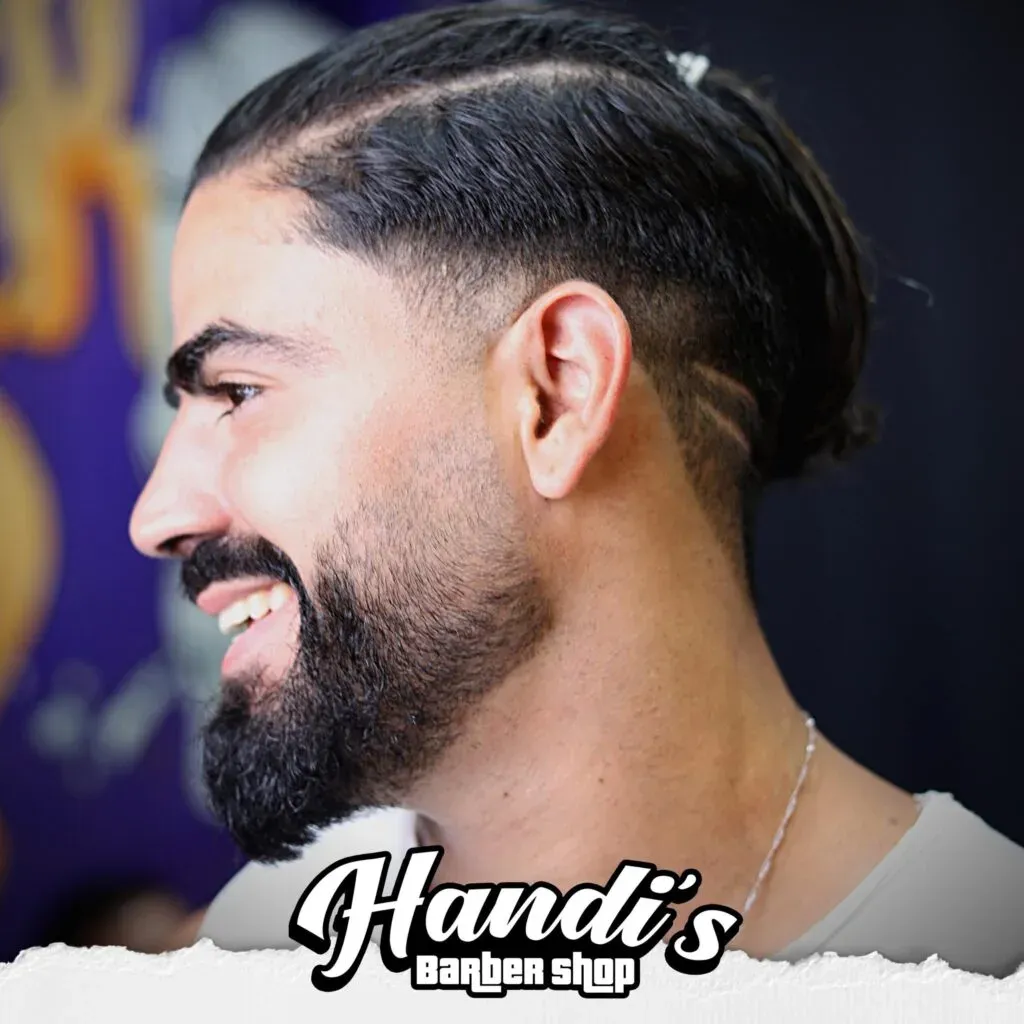
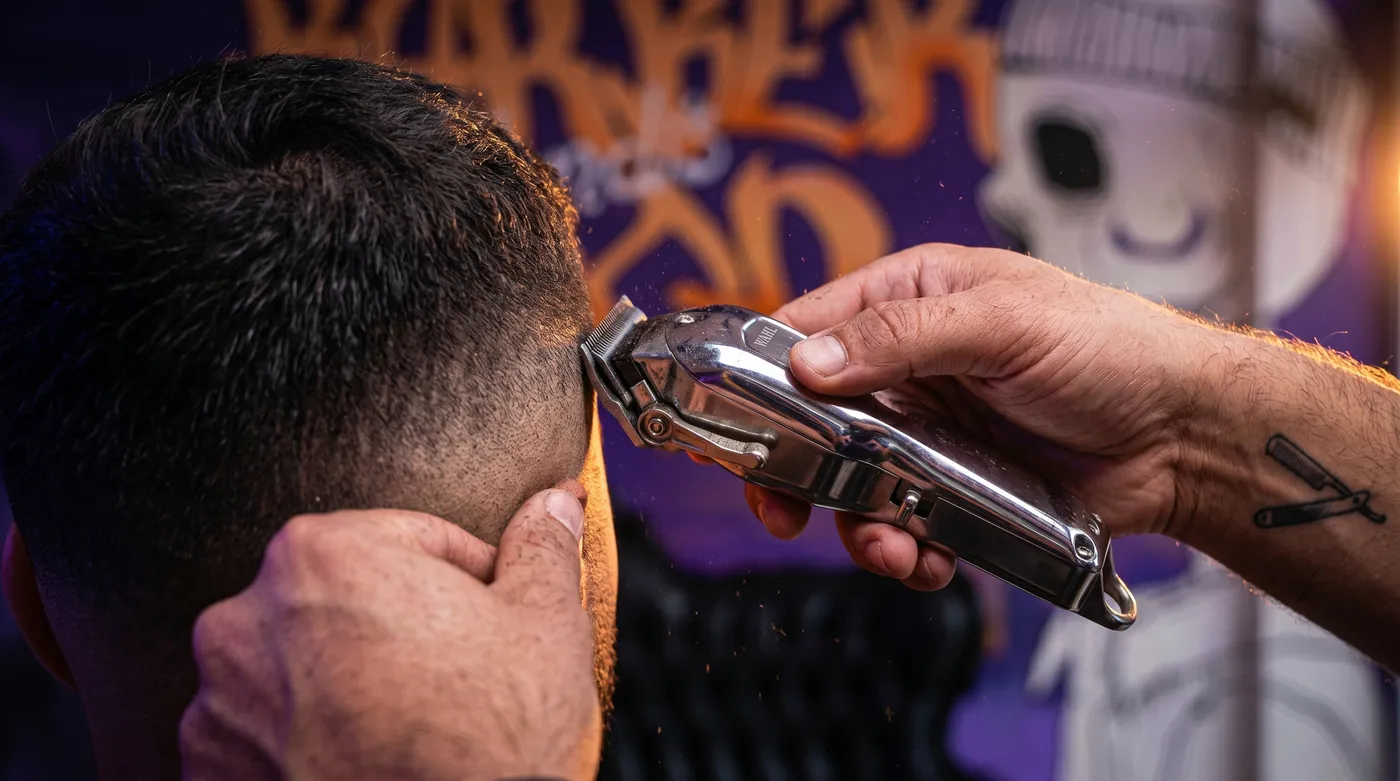
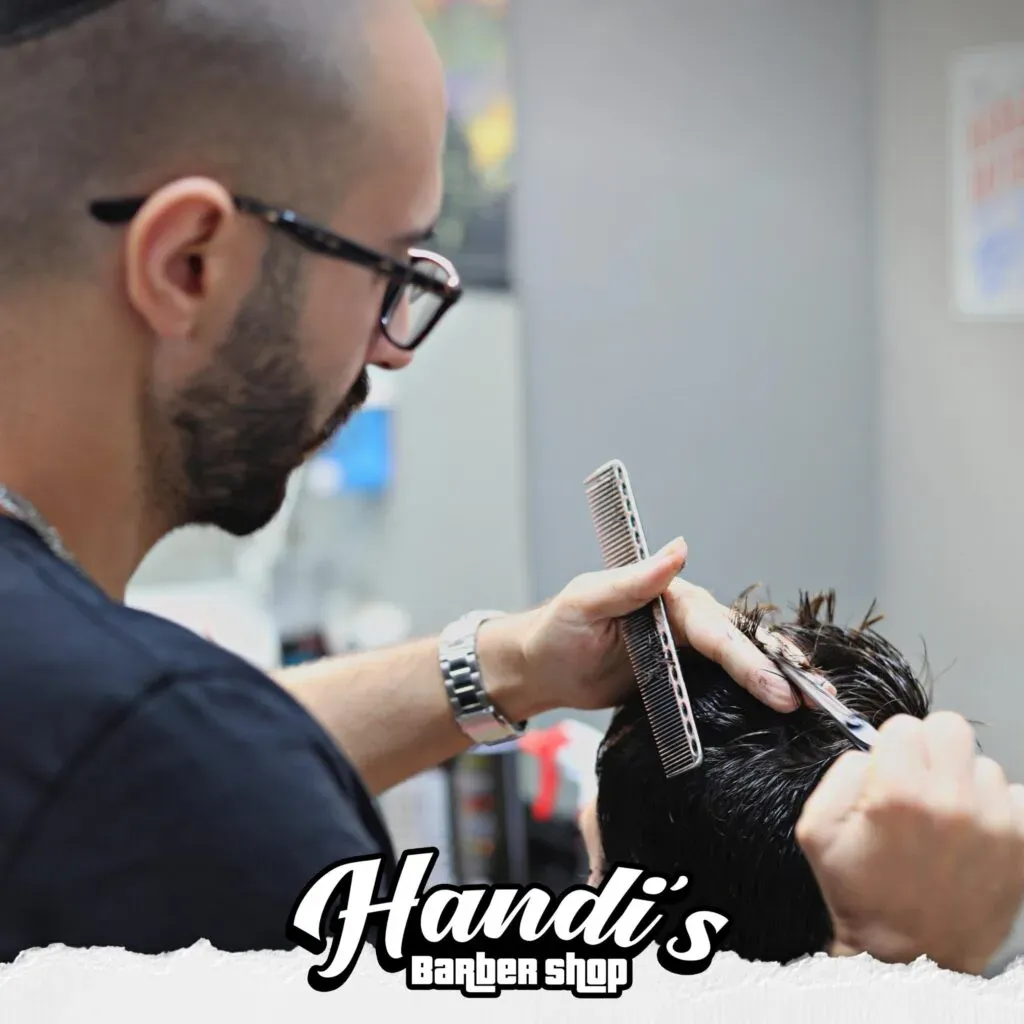
Real client results — this is how it looks when you leave our shop in Ramat Gan.


How to keep it sharp between cuts
This is where the taper beats every rival: it's the most forgiving graduation there is. Because there are no exposed strips of skin and no extreme contrast, growing out doesn't "break" the cut — it simply softens it, and the look stays reasonable even in the fourth week. A refresh every 3–4 weeks is enough for most men, versus the 2–3 weeks a tight fade demands. At home: a comb and a little product to match the style — classic pomade for a glossy side part, light styling cream for a natural look, or nothing at all if your hair behaves. It's worth spending a few seconds blow-drying the top in the direction you want the hair to "learn" — with a clean taper at the sides, even minimal styling looks respectable.
The most worthwhile home investment is actually in the drying: a minute with a dryer or brush right after the shower trains the hair toward the style you chose — side part, back or forward — and cuts the need for product in half. If you comb a part, a fine-tooth comb will keep the line holding all day; if you prefer a free look, a light cream is plenty, or nothing at all. The taper is built to look good naturally — let it do the work. And one last rule of thumb for timing: when the sideburns start touching the ear, it's time.
The Taper in Ramat Gan
There's a reason that even in the age of skin fades, a solid share of the chairs at our shop in Ramat Gan are reserved for the taper: this is the classic scissor-and-clipper work that separates a real barber from a clipper operator. At Handi's Barbershop — 7 Rashi St, a minute from the boulevard — you'll get a taper built around your growth direction and your head shape, not a generic template. Come book on Calmark and discover why the classics never die. And if the word "classic" does something for you — you'll feel at home in the atmosphere too: a real barbershop, good music, zero pretension.
Taper — questions & answers
What's the difference between a taper and a taper fade?
A classic taper drops with a gentle graduation at the sides and nape and leaves a short layer of hair even at the lowest point. A taper fade takes those exact same points and deepens the graduation — sometimes down to the skin — so you get the sharpness of a fade without giving up the full sides. Same principle, different intensity.
How often should you refresh a taper?
Every 3–4 weeks is the comfortable rhythm for most men — the taper grows out naturally and doesn't break down visually the way a fade does. If you're particular about an especially tight look, or you've gone with a deep taper fade, it's better to stay closer to 2–3 weeks.
Is a taper good for curly hair?
It's the curly guy's best friend: it keeps the volume and texture on top and at the sides, and tidies up exactly the areas that get out of control — the sideburns and nape. The result is curls that look groomed without losing their character. And the directional-drying rule applies here too: a curl dried in the right direction holds its shape until your next wash.
Can you pair a taper with a beard?
This is the classic combination at its best — the graduated sideburns create a natural bridge between hair and beard, with no sharp jump in length. If you book a beard trim in the same appointment, we'll sync both lines so the whole profile works as one unit. And if the beard is short, we'll make sure the sideburn line flows right into it — the small trick that makes a profile feel complete.
How much does a taper haircut cost?
The taper is part of the men's haircut service, and the price depends on the service you choose — it's all shown with full transparency when you book on Calmark. You can also get a general picture from the price list on the site.
What's the low taper fade everyone's asking for?
The combination that went viral: a graduation taken down to the skin, but only at the taper points — the base of the sideburns and nape — and kept low. You get a touch of modern sharpness without giving up full sides, and that's exactly what the younger generation is into right now. Ask for it in those words — and we'll know exactly what you mean.
Related styles worth knowing
Each style gets its own guide here — and if you want the real thing, the service page is waiting.
Want a Taper? Let's talk
Booking on Calmark takes less than a minute — pick a service and time, and arrive relaxed at 7 Rashi St, Ramat Gan.