How to Apply Styling Product Correctly: The Complete Guide to a Clean, Non-Greasy Look
Products & Hair Styling10 min read

You wake up in the morning, rushing to an important meeting in the Bursa business district in Ramat Gan, and your goal is clear: to look sharp, professional, and put-together. You've invested in a shower, dressed well, and now all that's left is to fix your hair. You reach for the wax, apply a generous amount, style it, and within minutes the result is the opposite of what you wanted: instead of a matte, natural look, you've got hair that looks greasy, sticky, and lifeless. If this scenario sounds familiar, you're not alone. It's a daily frustration for many men, but the solution is simpler than you think, and it lies entirely in technique rather than in the product itself. In this guide, we'll break down the process and explain how to apply styling product correctly so you can achieve the perfect look every time.
The Familiar Problem: Why Does Your Hair Look Greasy After Using Wax?
That feeling of heavy, greasy hair shortly after you've left the house is the direct result of a few common mistakes that are very easy to fix. The problem isn't your hair, and it isn't always the expensive product you bought. The problem is the method. Many men, especially those with a packed schedule who move between Ramat Gan and Givatayim, tend to fall into the same three main traps:
1. Using too much product: This is the classic and most common mistake. The initial instinct is to scoop a generous amount out of the tin to guarantee a "strong hold." In practice, too much product weighs the hair down, clogs the follicles, and creates an outer layer that looks and feels oily. The result is a greasy hair look rather than a styled one.
2. Applying to wet or overly damp hair: In the morning rush, many people smear styling product right after the shower, onto hair that's only been lightly towel-dried. Water and an oil- or wax-based styling product simply don't mix well. The water prevents the product from absorbing and distributing evenly, so it just "sits" on the hair in clumps, creating a wet-greasy look instead of a styled one.
3. Choosing a product that doesn't suit your hair type or goal: Not all styling products are created equal. Using a shiny pomade when you're aiming for a matte look, or using a heavy wax on thin hair, is a surefire recipe for an aesthetic disaster. Understanding the basic differences between clay, wax, and pomade is critical to achieving the result you want.
The Iron Rules for a Matte Look: Less Is More (Plus 3 More Principles)
To avoid sticky-looking hair and achieve a professional result that lasts all day, you don't need to be a master barber. You just need to adopt four simple core principles. Think of these as the iron rules of hair styling. Once you internalize them, the entire process becomes intuitive and you can say goodbye to the greasy look for good.
-
The Quantity Principle: Always start with a pea-sized amount. This is the most important mantra. Take a tiny amount of product, roughly the size of a pea, on your fingertip. Always remember: you can always add a little more if needed, but it's nearly impossible to remove product once it's already in your hair (without washing it out again). The right amount of styling product is the first key to success.
-
The Drying Principle: Work only on completely dry or well towel-dried hair. For the product to distribute evenly and provide good hold without weighing the hair down, your hair must be dry. If you're in a hurry, use a hair dryer on low heat to remove all moisture. Applying to dry hair ensures the product coats each strand individually instead of sticking together in damp clumps.
-
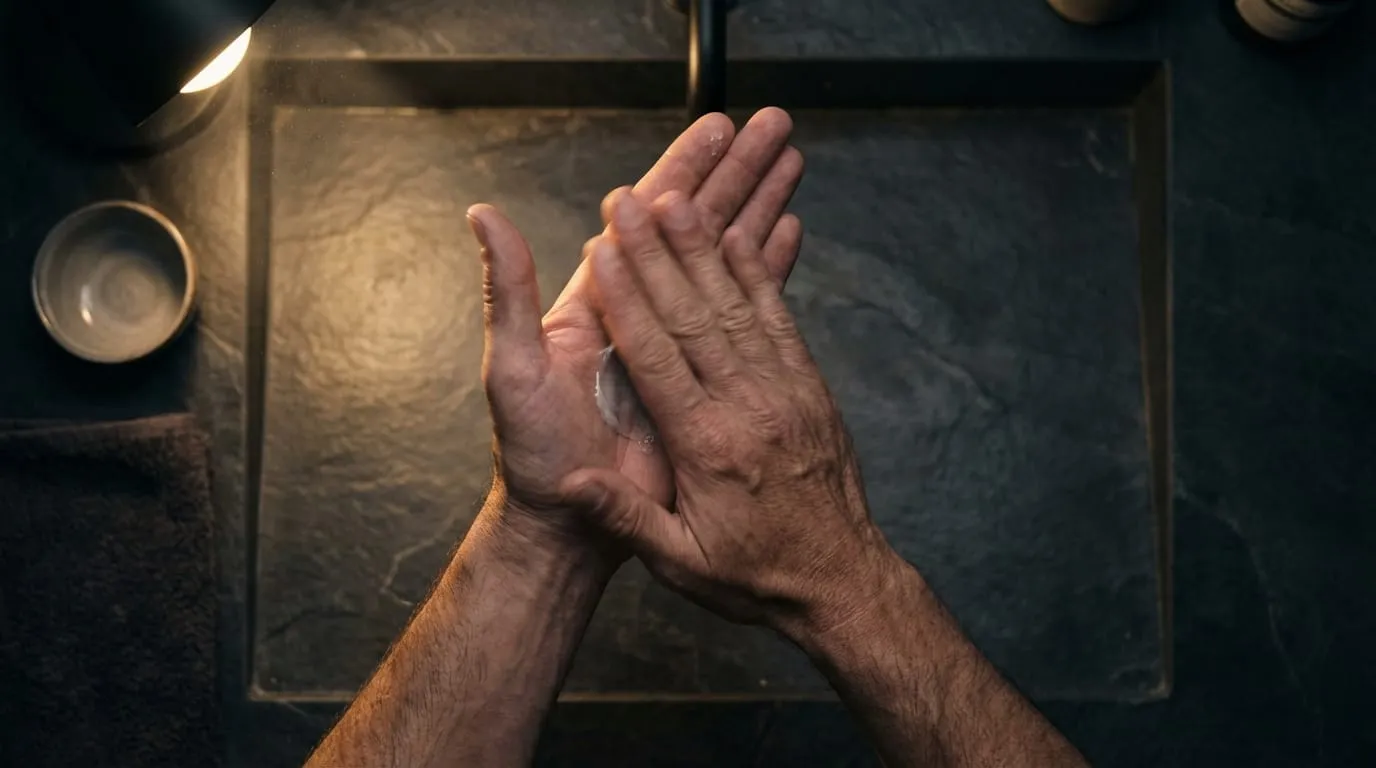
The Warming Principle: Warm the product between your palms until it turns translucent. Don't skip this step. Place the pea-sized amount in one palm and rub your palms together in quick motions. The friction generates heat that melts the wax or clay, turning it from a solid into an almost invisible cream. This process, called emulsification, "activates" the product and ensures a thin, even distribution with no embarrassing white clumps.
-
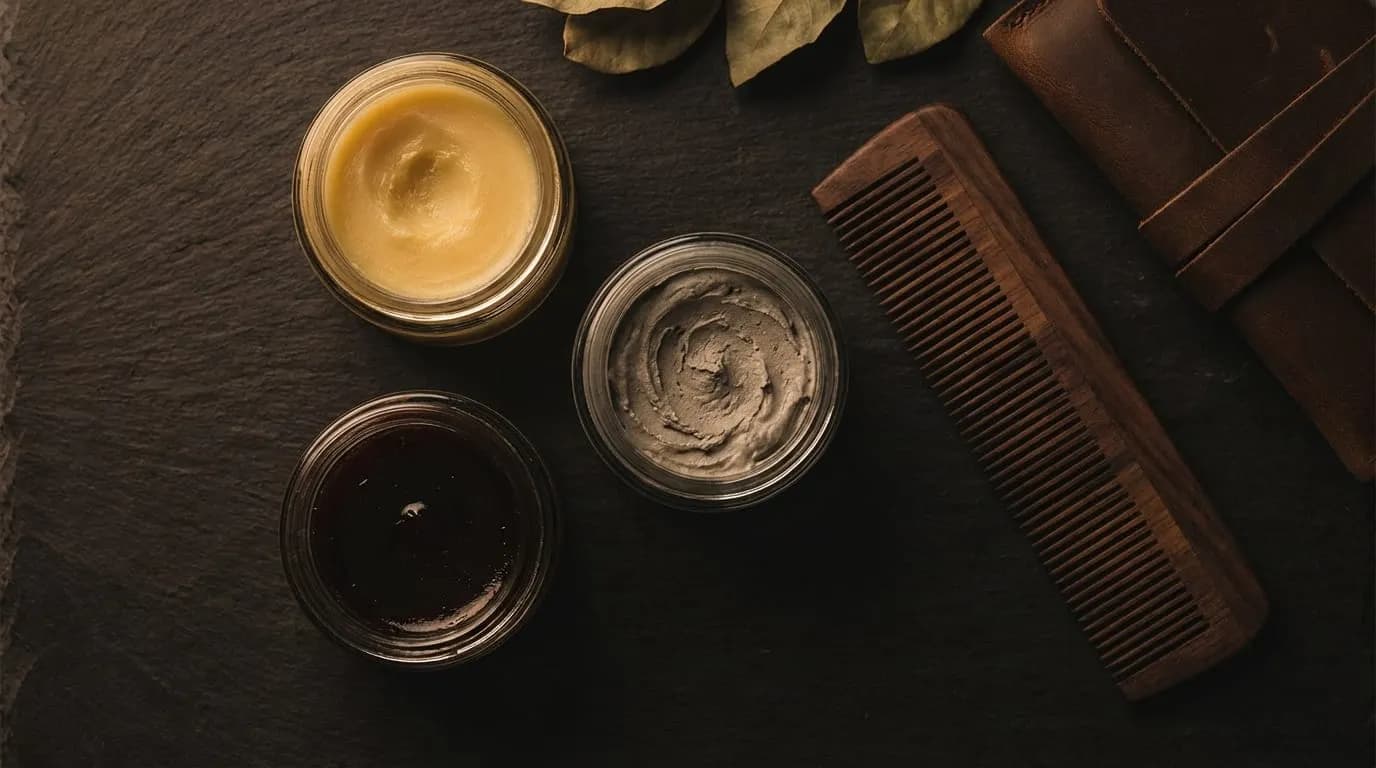
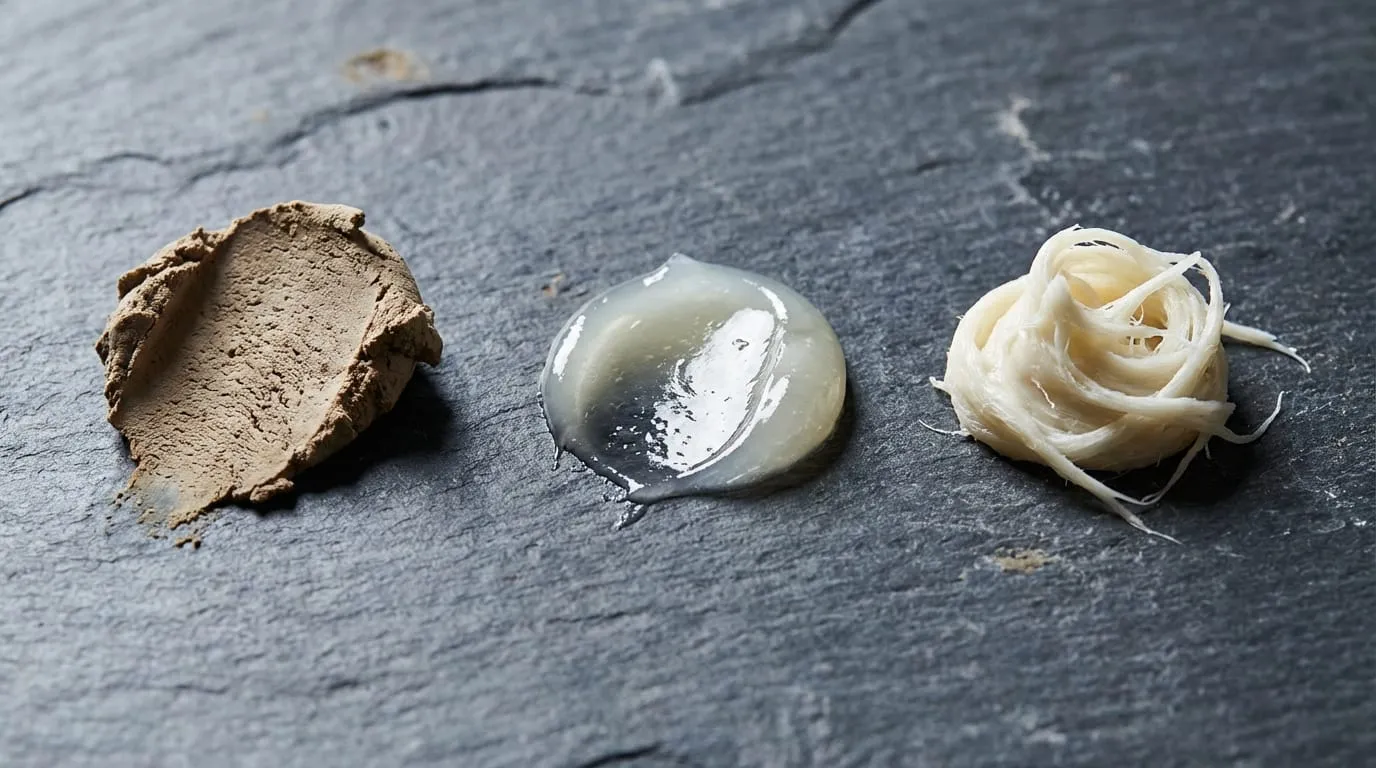
The Matching Principle: Know the difference between wax (Wax), clay (Clay), and pomade (Pomade). Understanding your tools is half the job. Clay is perfect for a natural matte look; it absorbs oils and adds volume and texture, making it ideal for thin hair. Wax offers medium to strong hold with low to medium shine, and is great for most hair types. Pomade splits into two kinds: water-based (easy to wash out, flexible) and oil-based (strong hold, high shine). It suits classic, neatly combed looks. Understanding these nuances is a significant step toward choosing the right product for your hair type.
The Right Technique: A Step-by-Step Guide to Perfect Application in 60 Seconds
Now that we understand the core principles, let's translate them into a fast, efficient workflow you can apply every morning. This technique, made up of five simple steps, will take you no more than a minute and guarantee a perfect result, as if you just walked out of the barbershop.
Step 1: Preparation – Clean, Dry Hair
The foundation of any successful styling job is a clean canvas. Always start with washed hair, free of residue from the previous day's products or the natural buildup of oil. Clean hair lets the styling product bond to each strand optimally. After washing, dry your hair completely. If you use a towel, do it gently so you don't create frizz. If you use a hair dryer, set it to medium temperature and dry your hair while directing it toward the style you want. This gives you a better base to work with.
Step 2: The Quantity – Measuring the 'Pea-Sized Amount'
This is where most people go wrong. Open the tin of styling product and use the tip of one finger to take a small amount, no bigger than a pea. If you have especially thick, long hair, you can start with an amount the size of a small almond. Think of it like seasoning food: it's better to start with too little and add more than to put in too much and ruin the whole dish.
Step 3: Activation – Warming the Product Between Your Palms
This is the most critical step for preventing clumps and a greasy look. Place the 'pea-sized amount' in the center of your palm and rub your hands together vigorously. Keep going with a fast, circular motion until you feel the product warming up and melting. You'll know you've reached the right state when the product turns from a white or opaque cream into a thin, translucent layer that's almost invisible on your palms. This step ensures the product distributes microscopically across your hair and doesn't stay as a concentrated clump.
Step 4: Distribution – From Roots to Ends
Instead of smearing the product directly onto the front of your hair (the bangs/fringe), always start from the back of your head, around the crown, and work your way forward. Run your hands through your hair evenly, making sure you reach all the way down to the roots. Massaging the product into the roots gives volume, stability, and a solid foundation for styling. Only after you've distributed most of the product evenly throughout your hair should you use what's left on your hands to work on the front and the sides.
Step 5: The Final Styling
Once the product is evenly distributed, it's time to style. Instead of using your whole palm, use your fingertips to define groups of hair, separate ends, arrange the fringe, or create the texture you want. This step gives you precise control over the final look without adding more product or making your hair sticky. Work in short, precise motions until you reach a look you're happy with.
Choosing Your Secret Weapon: Matching the Product to Your Hair Type
As we mentioned, using the right product is critical. Even if your technique is perfect, using a product that doesn't suit your hair type can lead to disappointing results. The following table is designed to clear things up and help you choose the ideal product for you, so you reach the precise finish you're looking for.
| Hair Type | Recommended Product | Expected Finish |
|---|---|---|
| Thin or fine hair | Clay / Sea salt spray | Matte, volume, natural look |
| Thick or normal hair | Wax / Paste | Semi-matte finish, strong hold |
| Curly or wavy hair | Styling cream / Water-based pomade | Curl definition, light shine, reduced frizz |
| Short, neat hair | Pomade / Gel | High shine, strong hold for a 'wet' look |
Quick Questions & Answers (FAQ)
Even after the detailed guide, it's natural to have a few more questions. We've gathered the most common questions here with short, practical answers to help you handle any scenario.
I used too much product, what do I do now?
This is a common mistake, but there's no need to panic and run to wash your hair again. The fastest solution is to take a dry, clean towel and gently pat your hair to absorb the excess product. After that, use a hair dryer on low heat and low speed. The heat will help "open up" the excess product and allow it to distribute or partially evaporate, which significantly reduces the greasy look and saves the day.
Does this technique work for a beard too?
Absolutely. The basic principles – a minimal amount, warming, and even distribution – apply to beard styling as well. That said, it's very important to use dedicated beard products, such as beard oil or balm. These products are specially formulated to nourish the facial skin beneath the beard, not just the hair itself. Use an even smaller amount (a drop or two of oil, a light scrape of balm) and warm it well between your hands before applying.
How often should I wash my hair to remove product buildup?
For most men who use styling products on a daily basis, a thorough wash every day or two is ideal. This prevents product buildup, which can weigh the hair down, clog scalp pores, and create a tired look. If you use especially long-lasting products (like oil-based pomade), it's recommended to add a clarifying shampoo to your routine once a week to remove stubborn residue. Maintaining a proper washing routine is an essential part of successful hair styling.
What's the difference between a water-based product and an oil-based product?
The main difference is in ease of use and removal. Water-based products, like most modern gels and pomades, wash out easily with water alone. They're generally lighter, more flexible, and allow restyling throughout the day. Oil-based products, like classic pomades, offer very strong hold and resistance to humidity and sweat. However, they're harder to remove and require shampoo to wash out completely. If they aren't used correctly, they're more prone to contributing to a greasy look.
Conclusion: The Secret Is in the Technique, Not the Quantity
Achieving a clean, matte, well-styled look isn't a matter of magic, but of correct technique and discipline. Remember the four iron rules: minimal quantity, dry hair, thorough warming, and matching the product. By adopting the 60-second guide we laid out, you can make your morning routine more efficient and ensure you leave the house every day with a professional, sharp look free of greasy shine. From now on, control over your hair is in your hands – just use them correctly.
Want this on your own head?
Our team at 7 Rashi St, Ramat Gan is waiting for you — booking online takes less than a minute.