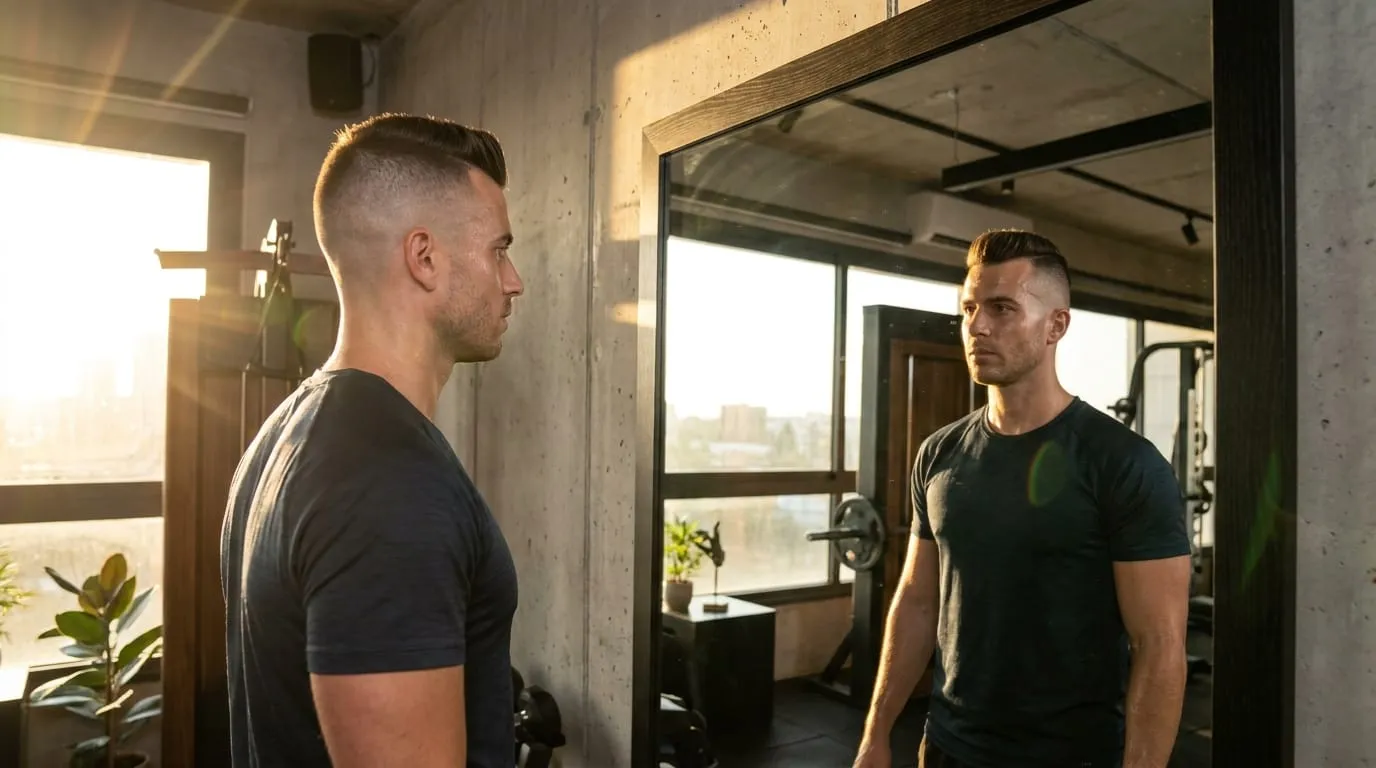
Men's Haircut in Ramat Gan: The Complete Guide to Fades, Tapers, and What to Ask Your Barber
Haircuts & Styles8 min read
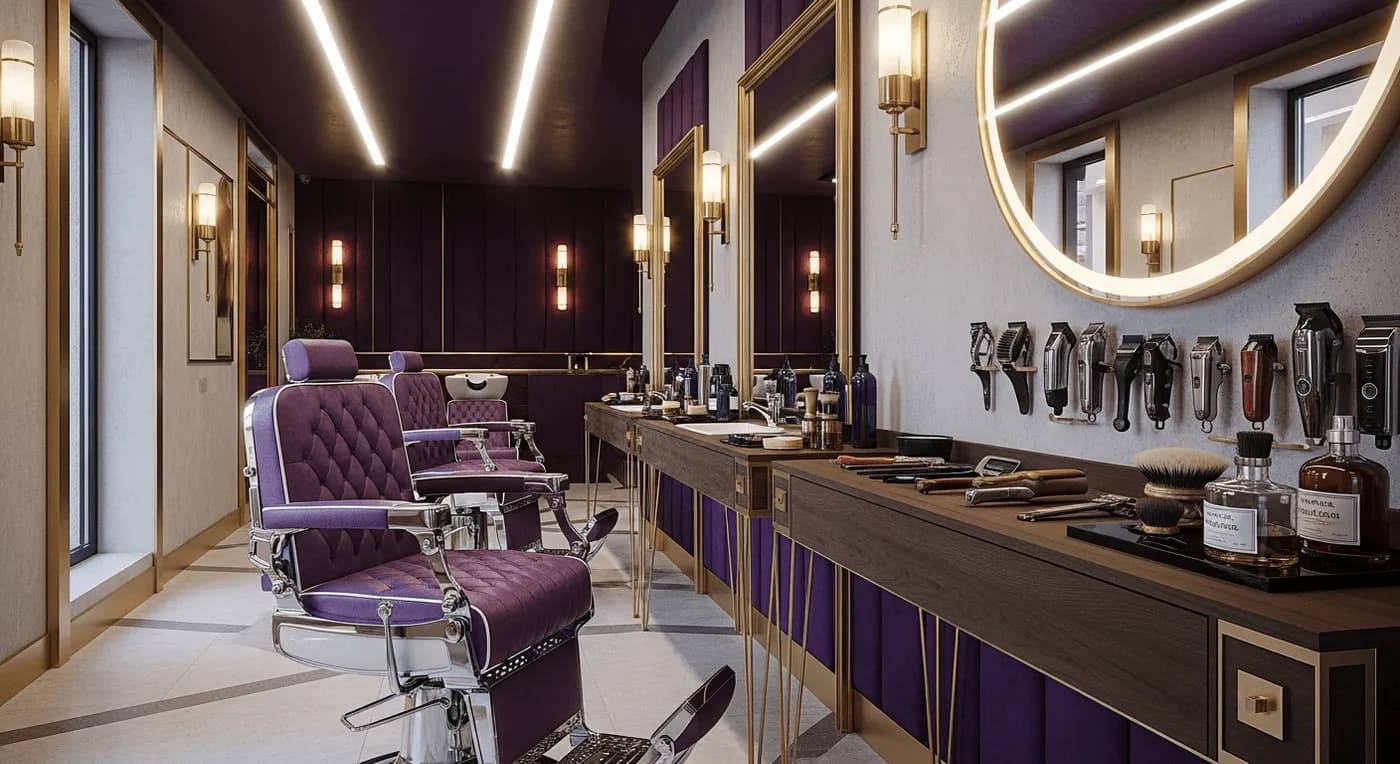
In recent years, the search for a men's haircut in Ramat Gan has become far more than a simple maintenance task. Where men once settled for "short on the sides, a little length on top," we now live in an era where men's hairstyling is an art form in its own right. The city of Ramat Gan, together with its neighbor Givatayim, has become a local style powerhouse, home to some of the most prominent talents in the Israeli barbering scene.
But even once you've found a recommended men's barber in Ramat Gan, the real challenge is communication. How many times have you sat in the chair, tried to explain what you wanted, and walked out with a result completely different from the picture in your head? That gap usually comes from a lack of familiarity with the professional terminology. What's the difference between a fade and a taper? What's a low fade versus a high fade? And how do you know what will suit your face shape?
Why Ramat Gan in particular? The Ramat Gan and Givatayim area has become a magnet for men who want a polished style without getting stuck in Tel Aviv traffic. The selection of men's barbershops in Ramat Gan that specialize in advanced techniques like the Skin Fade and precise beard designs is among the highest in the country. Here, barbers don't just cut hair – they design it.
In this comprehensive guide, we'll dive deep into the world of men's hairstyling. We'll break down the technical terms that make you sound like a pro in front of your barber, settle once and for all what suits your face shape, and give you the tools to walk out of the shop looking exactly the way you imagined.
The Complete Glossary: Understanding Barber Speak
Before we talk about trends, we have to get the basics straight. When you ask for a "fade," what do you actually mean? Modern barbering relies on millimeter precision, and the difference between success and failure lies in understanding the nuances.
1. The Fade – The Art of the Blend
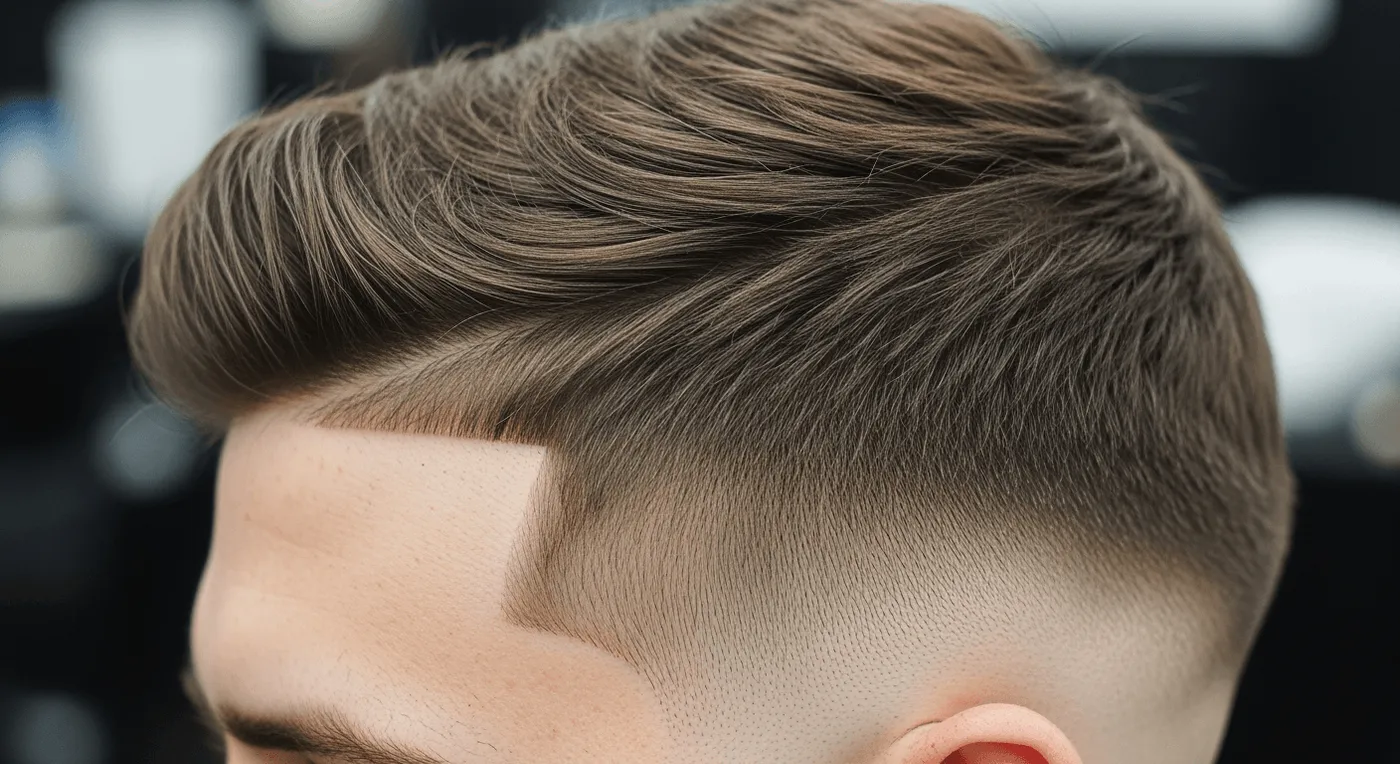
The men's fade haircut is probably the single most popular request in barbershops today. The idea is to create a smooth, gradual transition (a gradient) from very short hair (sometimes bare skin) to longer hair on top. The goal is that you won't see a clear cut "line," but rather a shadow effect that gradually lightens.
- Skin Fade: The fade starts from absolute zero (shaving down to the skin) and rises gradually. Ideal for anyone who wants a clean, sharp, high-contrast look.
- Low Fade: The transition starts very low, close to the ear and the nape. This is a more understated style that suits businessmen or anyone who wants to keep a classic look.
- Mid Fade: The middle ground. The fade starts roughly at the temple level. It's the perfect balance between bold and conservative.
- High Fade: The most aggressive fade, where the short hair rises very high toward the crown. Great for military-style cuts or sharp urban looks.
The Big Fight: Fade vs. Taper
This is probably the most common mistake men make when asking for men's hairstyling in Ramat Gan and Givatayim. Most men use these terms interchangeably, but there's a world of difference between them, and it affects your entire look.
While a fade is a gradient that wraps around the entire head (uniformly around the ears and the nape), a taper fade for men is more subtle. With a taper, the barber preserves the natural hairline behind the ear and only fades two strategic points: the sideburns and the neckline. The result is a more classic look that leaves a frame around the hair, in contrast to the fade, which "erases" the frame.
If you're looking for an example of precise work that combines high-level technique, it's worth knowing professionals who understand these subtleties. For example, Ohad Elimelech – Hair Design is one of the names worth checking out when you're after a high standard of finish.
| Feature | Fade | Taper |
|---|---|---|
| Fade area | The entire perimeter of the head (around the ears and the nape) | Localized: only the sideburns and the bottom of the neckline |
| Skin exposure | High (usually) | Minimal to moderate |
| Hair frame | Completely blended away | A natural arch is kept above the ear |
| Suits… | A modern, sharp, "edgy" look | A business, classic, "gentleman" look |
| Maintenance | High (needs a touch-up every two weeks) | Moderate (holds for 3-4 weeks) |
Matching a Haircut to Your Face Shape: The Stylists' Secret
Before you pick out trendy men's haircuts from Instagram, you have to understand the geometry of your own face. A stunning cut on a model with a square jaw might look unflattering on a round face.
1. Round Face
The goal: to create the illusion of length and definition. What to ask for? A high fade on the sides to slim the face, and volume on top (like a pompadour or a quiff). Avoid flat hair or a fringe that falls onto the forehead, since that will "flatten" the face even more.
2. Square Face
The goal: to soften the corners or emphasize the masculinity. What to ask for? You're blessed. This is the ideal face shape for men. Almost everything works here. A buzz cut will emphasize the jaw, and a longer top will add sophistication. This haircut inspiration video can illustrate how a well-done fade flatters this kind of structure.
3. Long/Oblong Face
The goal: to balance and visually shorten. What to ask for? Avoid a fade that's too short on the sides (a Skin Fade), because it lengthens the face even more. It's better to keep a bit of volume on the sides and avoid a top that's too high. A "French crop" (a short fringe forward) works great here.
4. Diamond-Shaped Face
The goal: to widen the forehead and the chin. What to ask for? A taper fade works excellently here, since it keeps a bit of volume behind the ears. Wavy or tousled hair on top helps soften prominent cheekbones.
A Look Ahead: Hot Trends for 2024/2025
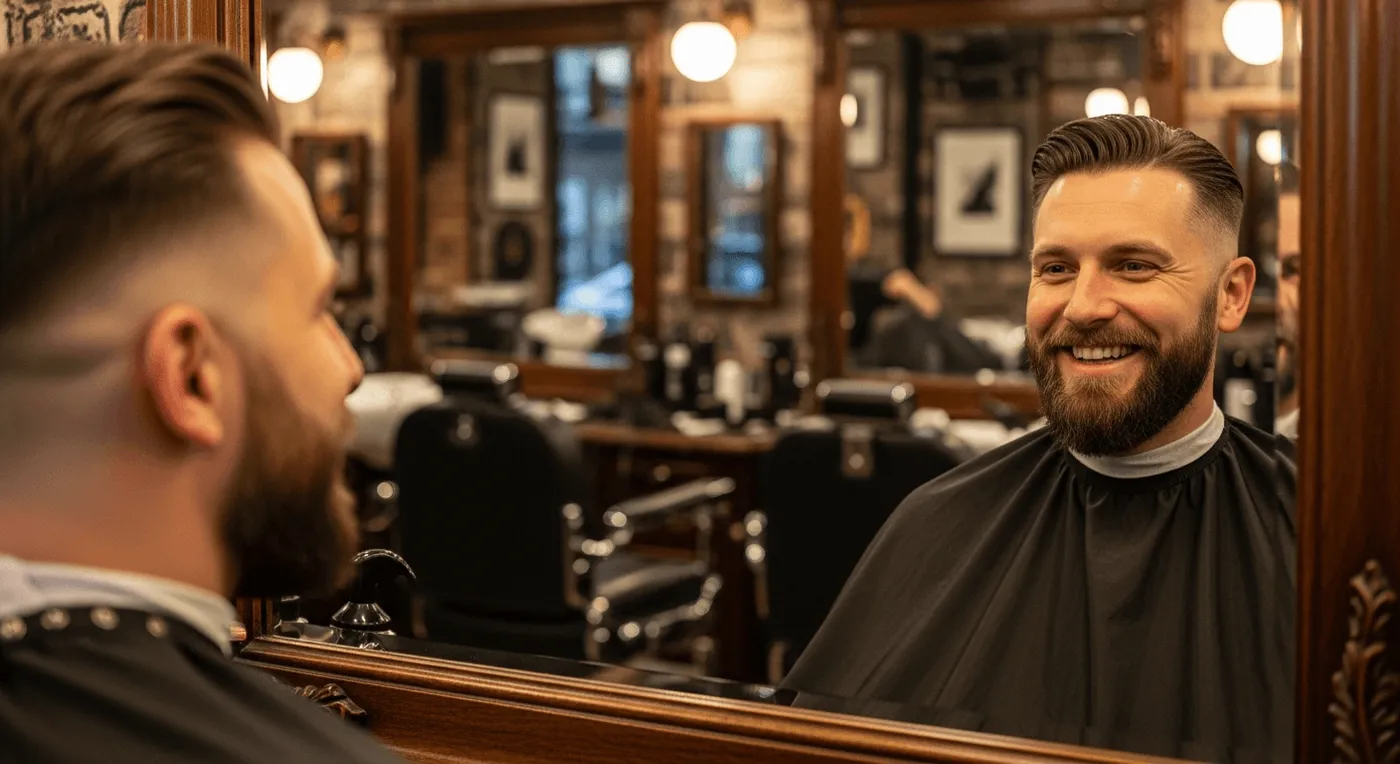
So what's going strong right now on the streets of Ramat Gan and Givatayim? We're seeing a return to natural textures. The "overdone" look with heaps of gel is giving way to a matte, natural, relaxed look. The Mullet (yes, the '80s mullet) has made a modern comeback combined with fades on the sides, and the colored Buzz Cut is gaining traction among younger guys. If you want to see what's happening on the ground, it's worth taking a peek at more trends in Givatayim for some inspiration.
How to Ask Your Barber for a Haircut: The Practical Guide
To avoid disappointment, here's a checklist you absolutely have to run through when you sit down in the chair:
- A picture is worth a thousand words: Don't try to describe "short, but not too short." Show your barber a picture on your phone.
- Define the "sideburns": Do you want them tapered? Squared off? Or blended into the beard?
- Talk in numbers (carefully): Instead of saying "take a little off," say "I want a number 1 on the sides and 3 centimeters on top."
- Explain how you style it: Do you push your hair back? To the side? Or do you not use a comb at all? This is critical for the cut.
Questions & Answers
How often should I refresh a fade haircut?
To keep a sharp, clean Skin Fade look, it's recommended to visit the barbershop every 10-14 days. The shorter the fade, the more noticeable the growing hair becomes, disrupting the "blend."
What styling product suits thin hair?
For thin hair, it's recommended to use a volume powder or a clay with a matte finish. Avoid wet gel or greasy wax, since they stick the strands together and expose the scalp.
How do I find a recommended men's barber in Ramat Gan?
The best way is to look for recommendations on Google Maps, check the barbershop's Instagram page to see real work (and not stock photos), and make sure the barber specializes in your type of hair (curly, straight, afro, etc.).
What's the difference between a scissor fade and a clipper fade?
A clipper fade is very precise, symmetrical, and creates a "crisp" look. A scissor fade is softer, more natural, and grows out more nicely over time. It's especially suited to classic, longer cuts.
Does a beard require a separate cut?
Absolutely. Beard design is a separate art form. It's important to ask your barber to match the fade of the sideburns to the beard, in order to create proper flow and avoid a visual disconnect between the hair and the beard.
What is Texturizing?
This is a technique where the barber lightly thins the ends of the hair to create movement and texture, without taking away from the overall length. It's critical for anyone who wants a "tousled," modern look.
Summary: Finding a men's barbershop in Ramat Gan is just the first step. Your knowledge as a customer – understanding the difference between a fade and a taper, matching the cut to your face shape, and the ability to communicate properly – is what turns an ordinary haircut into one that makes you feel your best. Don't be shy about asking questions, showing pictures, and demanding the best for your hair.
Want this on your own head?
Our team at 7 Rashi St, Ramat Gan is waiting for you — booking online takes less than a minute.