Clean Haircuts for Work: The Complete Guide for the Modern Office Man
Haircuts & Styles10 min read

In the fast-paced business world of the Bursa district in Ramat Gan or the commercial hubs of Givatayim, every detail matters. Before you delivered the presentation, before you shook hands, even before you said your first word — your appearance had already spoken. A clean haircut for work isn't a matter of passing trends; it's a quiet statement of professionalism, order, and attention to detail. It's a business tool in every sense, projecting reliability and seriousness and forming an inseparable part of your personal branding. This guide is meant to give you practical tools for choosing and maintaining men's office haircuts — the kind that work for you.
Why Your Haircut Is the Most Important Business Card in the Office
In a competitive business environment, the first impression is critical, and there's no second chance to fix it. A well-groomed, neat haircut sends strong, subconscious messages to colleagues, managers, and clients. It shows that you're someone who respects himself and his surroundings, that you understand the unwritten dress code of the professional world, and that you invest in the small details. Messy or neglected hair, on the other hand, can be interpreted as a lack of seriousness, carelessness, and even evidence of general disorganization.
It's important to understand: this isn't about giving up your personal style, but about adapting it to a framework. A professional look for a man is one that knows how to balance personality with context. A precise haircut shows that you're in control, that you manage your time well (because you found time to visit the barber), and that your standards are high. It's a direct investment in your image — an investment that pays dividends in every meeting and business interaction.
The Anatomy of a 'Clean Haircut': The 3 Golden Rules for a Professional Look
The term "clean haircut" may sound vague, but it's built on clear, applicable principles. To achieve the right professional look, you need to focus on three core components that every good barber knows. Understanding these will help you communicate your wishes better and ensure an impressive result.
-
Sharp, precise lines: This is the foundation of any neat haircut. The reference here is mainly to the hairline at the nape and the sideburns. A clean nape line — whether rounded, straight, or tapered — creates a clear frame and instantly signals order and precision. Well-defined sideburns, at a length that suits the face shape, complete the frame. When these lines are blurry or wild, the entire haircut loses its professional effect, even if the hair on top is well styled.
-
Controlled volume: Professional hair doesn't have to be flat and boring, but it also can't be wild and out of control. The goal is to reach managed, intentional volume. Instead of hair that wakes up in the morning going every which way, the aim is to create movement and texture in the right places — for example, on the top of the head — while keeping the sides short and neat. Using a measured amount of the right styling product can achieve this look: hair that's full of life, yet fully under control.
-
Matching your face shape and hair type: The most important rule is to work with what you have, not against it. Trying to force a straight-hair haircut onto curly hair will end in a daily battle in front of the mirror. A general guideline is to create balance: for round or square faces, it's worth adding height on top to lengthen them optically. For longer faces, it's better to avoid excessive height and keep some volume on the sides. A professional barber will know how to analyze your face shape and hair type and recommend the style that flatters you most and requires minimal maintenance effort.
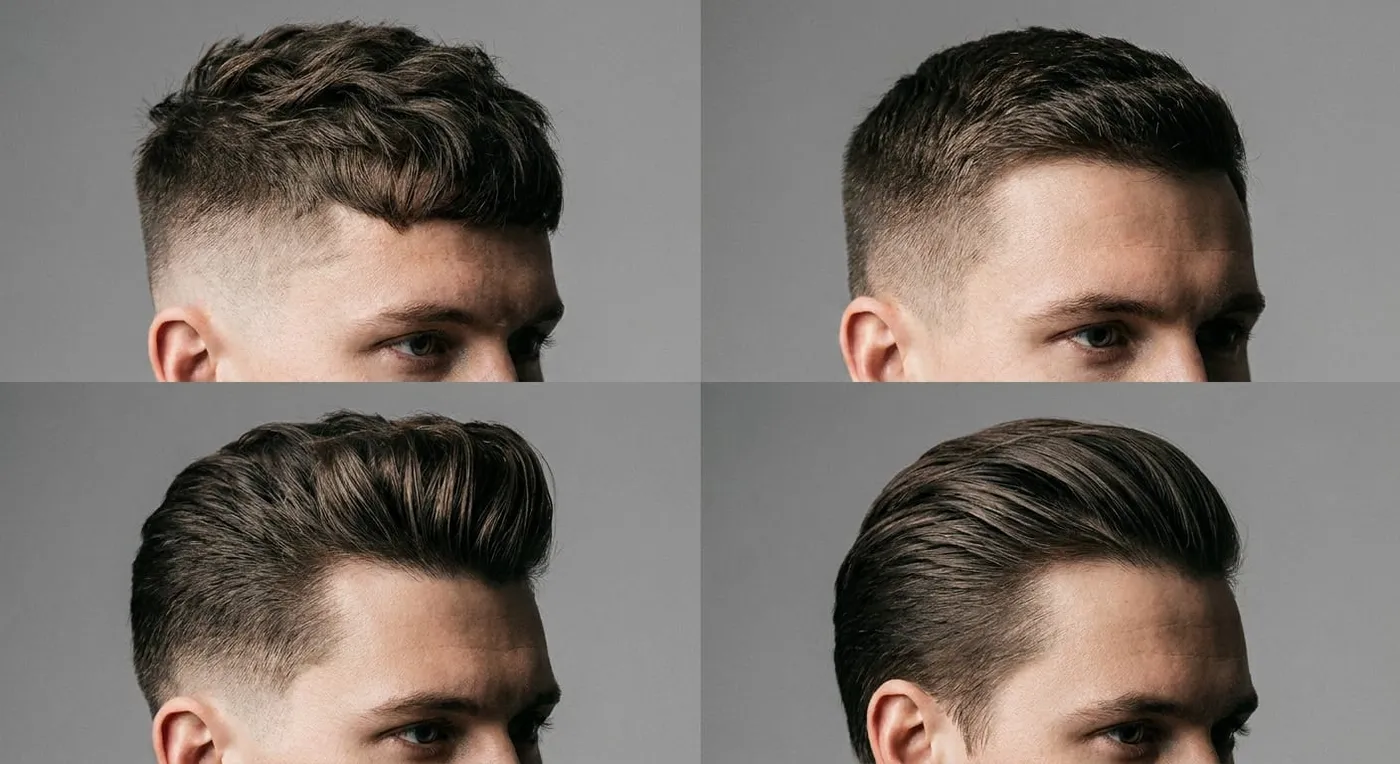
5 Winning Styles That Fit the Business Dress Code
Choosing the right haircut can be a challenging task. The goal is to find a style that's modern, flattering, and — most importantly — perfectly suited to the office environment. As noted in international fashion magazines, the classics always work, but they can be upgraded with contemporary touches. Here are five styles that always look great in the boardroom.
1. The Classic Side Part
This is the ultimate business haircut. The classic side part is a timeless style that radiates authority, elegance, and seriousness. It's characterized by short, neat sides and back, with enough length on top to comb the hair smoothly to the side. Modern versions play with the height of the taper on the sides and with the texture on top, but the principle stays the same. Who it suits: Almost everyone. This style is especially versatile and works for a wide range of face shapes and hair types, particularly straight or slightly wavy hair. Maintenance level: Medium. Requires pomade or wax for styling in the morning and a visit to the barber every 3–4 weeks.
2. The Modern Crew Cut
Don't confuse this with the cropped military crew cut. The modern version is the embodiment of efficiency and minimalist style. It combines a clean, gradual taper on the sides (fade) with a slightly longer top (just a few centimeters), allowing for light styling with a bit of texture. The result is a sharp, masculine, exceptionally clean look that requires almost nothing in the morning. Who it suits: Ideal for men with a strong jawline and a defined face shape. Works great with straight or thick hair. Less recommended for very round faces. Maintenance level: Very low day-to-day, but it requires frequent visits (every 2–3 weeks) to the barber to keep the taper sharp.
3. The Subtle Slick Back
Forget the greasy, heavy look of the past. The modern slick back is sophisticated, neat, and commanding. The key is using water-based products (Water-Based Pomade) that give a subtle shine and flexible hold, rather than a greasy look. The hair is combed back smoothly, usually with shorter sides to create contrast. It's a bolder look but still completely professional. Who it suits: Men with straight or wavy hair of medium length. Requires a relatively full front hairline. Maintenance level: Medium. Requires a few minutes of combing and using the right product to make sure everything stays in place throughout a long workday.
4. The Textured Crop
This is the trendier option on the list, but when done right, it's completely professional. The crop is characterized by a high taper on the sides and a relatively short top with intentionally messy texture, sometimes combed forward into a short fringe. The secret is in the word "intentional" — the look should appear effortless, but not neglected. Who it suits: An excellent choice for men with thick, wavy, or even slightly curly hair. The hair's natural texture works in this haircut's favor. Especially suited to square or heart-shaped faces. Maintenance level: Low. All you need is a bit of clay or matte wax to emphasize the texture, and the haircut is ready.
5. The Controlled Quiff
The quiff is a haircut that adds height, volume, and presence. In its office version, the volume is controlled and refined — not over-the-top or flashy. The hair on top is longer and combed up and back, creating a soft wave above the forehead. The sides are kept short to focus attention on the volume up top. It's a style that demonstrates self-confidence and style. Who it suits: Men who want to add visual height. Works best with thick, strong hair that can hold the volume. Especially flattering for round or short faces. Maintenance level: High. Requires a blow-dryer to create the initial volume, and a strong styling product (such as pomade or spray) to lock the look in throughout the day.
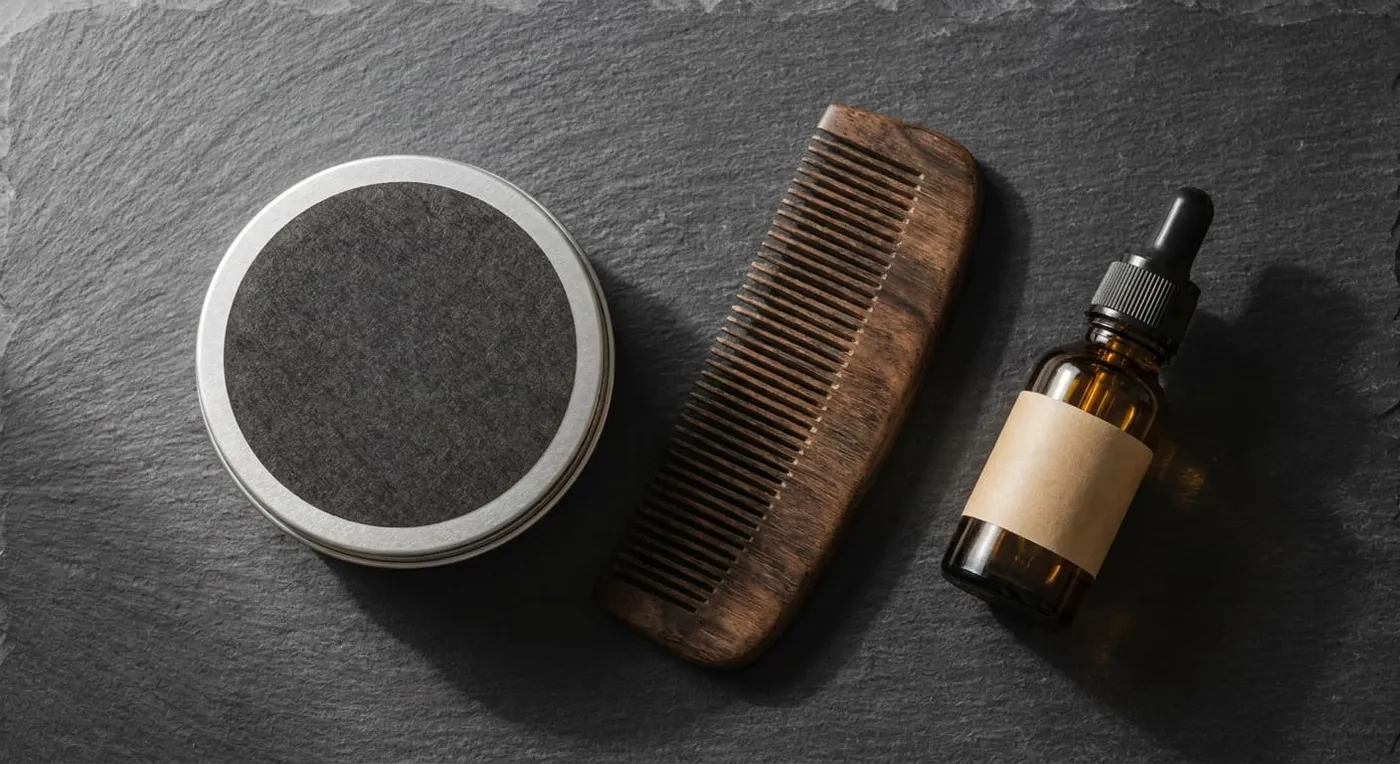
Maintenance Is the Name of the Game: How to Keep a Sharp Look Over Time
Even the best haircut in the world will lose its effect without proper maintenance. For the busy man, efficiency is the key word. The goal isn't to spend hours in front of the mirror, but to adopt a short routine and smart products that keep the sharp, professional look between barber visits.
-
Choosing the right product: The shelves are packed with products, but you'll usually only need one or two. The basic distinction is between finishes: Wax provides medium hold with low shine, good for natural looks. Pomade is the classic choice for combed looks like a side part or slick back; water-based versions provide shine and hold and wash out easily. Clay is ideal for creating texture and volume with a completely matte finish, perfect for a crop. Choose the product based on the style and finish you want.
-
Frequency of barber visits: This is an unbreakable rule for keeping a clean haircut. The shorter the haircut and the more it's based on a taper, the more frequent visits it requires. As a rule of thumb, for short cuts with a fade it's recommended to visit the barber every 3–4 weeks. For slightly longer cuts, you can stretch it to 5 weeks. Waiting too long will cause the lines to blur and lose all their effect.
-
The 2-minute morning routine: No one has time for a complicated routine. Here's a quick process: 1. Lightly dampen your hair (it's best to style on damp hair, not soaking wet). 2. Take a small amount (pea-sized) of your styling product and rub it well between your palms until it warms up and disappears. 3. Distribute the product evenly across all your hair, from roots to ends. 4. Use your fingers or a comb to arrange the hair into the desired shape. That's it.
Pro tip: Invest in a blow-dryer. A quick 30–60 second blast with a dryer before applying product can work wonders. It gives the hair direction, adds significant volume, and ensures the style holds up throughout the entire workday, even after long meetings.
Frequently Asked Questions for the Busy Man
How often should you get a haircut to keep a clean look?
The answer depends on your hair's growth rate and the type of haircut. That said, the rule of thumb for most short, professional men's haircuts is a barber visit every 3 to 5 weeks. This range ensures that the lines at the nape and sideburns stay sharp, that the taper remains gradual and clean, and that the haircut's proportions aren't lost. Waiting longer will cause the look to start appearing neglected.
Is a haircut with a fade considered professional for the office?
Absolutely yes, but the key is moderation. A subtle, gradual fade (low to mid fade), where the transition between lengths is smooth rather than extreme, is considered professional and stylish. It adds sharpness and cleanliness to the overall look. On the other hand, you should avoid very aggressive fades that go all the way down to the skin (skin fade) at too high a point, as they can be perceived as less formal and more suited to a less conservative environment. The goal is a balance between contemporary style and a business dress code.
How do I match a haircut to my face shape without overcomplicating things?
The simplest way is to consult a professional barber who knows how to diagnose this. But if you want a rule of thumb, think about creating balance: if you have a round or square face, you'll want to add visual length. Haircuts with height and volume on top, like a quiff or a side part with height, will work great. If you have a long or narrow face, it's better to avoid adding excessive height and consider haircuts that keep a bit more length or volume on the sides to create a wider, more balanced look.
Ultimately, your haircut is part of the story you tell the professional world. Investing in a clean, neat, personalized look isn't just about aesthetics — it's a statement of intent. It says that you're serious, that you pay attention to detail, and that you respect yourself and your business environment. Choose the right style, stick to simple maintenance, and let your haircut work for you.
Want this on your own head?
Our team at 7 Rashi St, Ramat Gan is waiting for you — booking online takes less than a minute.